1. Introduction
Homeowners insurance gives fundamental assurance to your property, yet one significant inquiry numerous mortgage holders have is whether it covers cataclysmic events. Catastrophic events, including tremors, floods, tropical storms, and rapidly spreading fires, can make broad harm homes and things. Understanding what your homeowners insurance covers can assist you with keeping away from monetary shocks in case of a catastrophe. In this article, we’ll investigate which kinds of cataclysmic events are regularly covered by homeowners’ insurance and how you can guarantee you’re completely secured.
2. Homeowners insurance Essentials
Homeowners insurance is a contract intended to safeguard your home and individual possessions in case of specific harms or misfortunes. It for the most part covers episodes like fire, defacement, robbery, and a few kinds of climate related harm. Nonetheless, not all catastrophic events are consequently covered under a standard strategy. It means quite a bit to peruse the fine print of your strategy to comprehend what is and is excluded, particularly with regards to outrageous climate or devastating occasions.
3. Standard Inclusion and Its Cutoff points
A normal homeowner’s insurance contract generally covers harm brought about by occasions like fire, hail, and windstorms. For instance, on the off chance that a tree falls on your home during a tempest or your rooftop is harmed by hail, your protection ought to cover the fixes. Notwithstanding, catastrophic events that are viewed as high-risk, similar to quakes and floods, are frequently avoided from standard inclusion. Property holders should buy extra inclusion to safeguard against these particular dangers.
4. Flood Protection
Floods are quite possibly of the most horrendous cataclysmic event, and they are commonly not covered under a standard homeowner’s insurance contract. Assuming you live in a space inclined to flooding, buying separate flood insurance is vital. This approach is many times given through the Public Flood Protection Program (NFIP) or confidential back up plans, and it covers harm to your home and possessions brought about by floodwaters. Remember that there is normally a holding up period before flood protection becomes viable, so it’s wise to prepare.
5. Quake Inclusion
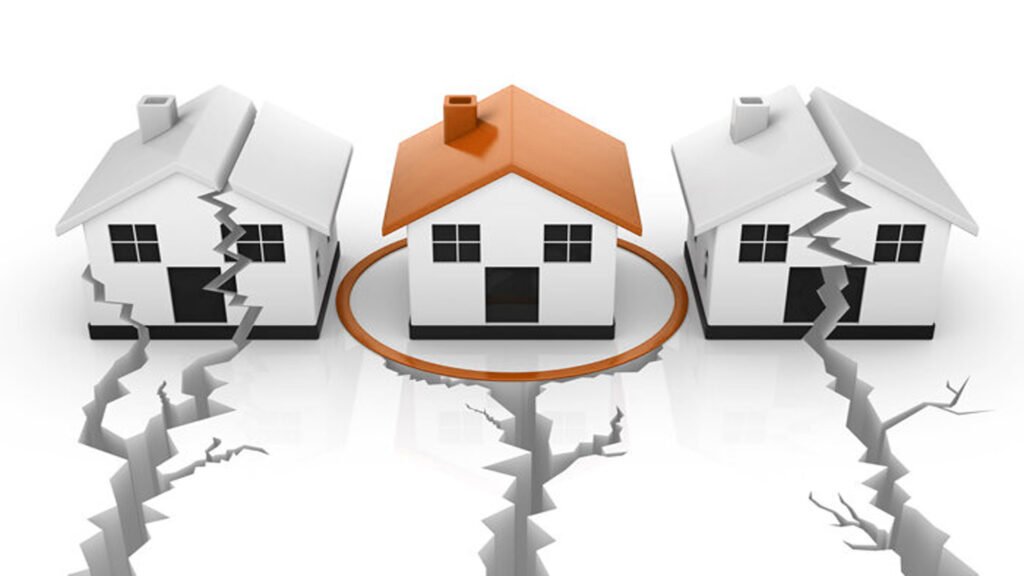
Like flood insurance, quake inclusion is by and large excluded from a standard homeowners insurance contract. Quakes can make serious harm your home, particularly in areas situated along separation points. This can assist with safeguarding your property on the off chance that the ground shakes, making underlying harm or obliteration your home.
6. Fierce blaze Protection
Out of control fires are a rising worry in many pieces of the nation, especially in dry, forested regions. Standard homeowners insurance ordinarily covers harm brought about by out of control fires, however there might be cutoff points to how much inclusion accessible. It means a lot to survey your strategy to guarantee it gives sufficient security to your home in case of a rapidly spreading fire. In the event that you live in a high-risk region, you should think about expanding your inclusion or buying extra protection to safeguard your property completely.
7. Tropical storm and Windstorm Protection
Windstorms, including tropical storms, can make serious harm homes, particularly in seaside regions. Homeowners insurance as a rule covers wind harm, yet contracts might incorporate prohibitions or have higher deductibles for wind-related claims. A few regions with high storm chance might require separate windstorm protection. Which can assist with the expense of fixes and substitutions because of wind harm. Make certain to check whether your property holders strategy incorporates windstorm inclusion, particularly in the event that you live in a tropical storm inclined district.
8. Twisters and Other Breeze Related Debacles
While cyclones are more uncommon than other catastrophic events, they can cause huge harm. Most homeowners insurance contracts cover wind harm from twisters. Be that as it may, there might be explicit avoidances for particular sorts of breeze related occasions. Make certain to actually look at your approach to affirm assuming it covers twisters and what your deductibles and cutoff points are for wind harm. At times, you might require extra inclusion on the off chance that you live in a cyclone inclined region.
9. Avalanches and Landslides
Avalanches and landslides are catastrophic events that can annihilate homes and framework. Sadly, numerous homeowner’s insurance contracts don’t cover these kinds of occasions. As they are many times thought about discrete dangers from normal climate related occurrences. On the off chance that you live in an uneven or slope region, you could have to buy separate avalanche protection to shield your home from likely harm. Check with your safety net provider to decide whether this inclusion is accessible.
10. Step by step instructions to Decide Your Inclusion Needs
To decide whether your homeowners insurance gives sufficient assurance to cataclysmic events, audit your contract and evaluate the dangers well defined for your area. Is it safe to say that you are in a flood zone or situated close to a separation point? Do you live in a district known for fierce blazes or storms? These elements will assist you with grasping what extra inclusion, if any, you might require. Talking with an insurance specialist can likewise assist with guaranteeing that your contract is custom fitted to your requirements and gives adequate assurance.
11. Conclusion
Catastrophic events can strike abruptly, passing on mortgage holders with broad harm to their property. While homeowners insurance covers many dangers, it’s essential to comprehend the particular calamities covered under your contract. Floods, quakes, and certain breeze related occasions may not be remembered for a standard strategy, so extra inclusion might be essential. By assessing your dangers and talking with your protection supplier. You can guarantee your house is appropriately safeguarded against the most widely recognized and horrendous cataclysmic events.